
How to Distinguish an Internet Radio Relay Site From an Official Stream Operated by the Broadcasting Station
 0
0
 0
0
When you search for a live radio station on the internet, the first link you click might play the correct audio, but that does not automatically mean you are on the station’s official website. Many audio platforms on the web are “relay sites” – unofficial third-party pages that capture (scrape) the audio feed from a legitimate broadcasting station and stream it on their own ad-covered websites.
While an unofficial relay site might sound like the real thing at first, listening through these middleman platforms degrades your experience. Relay sites introduce heavy audio delays, strip out live song information, flood your screen with intrusive pop-up ads, and fail to broadcast emergency safety alerts.
Identifying whether you are listening to an official station feed or an unofficial relay requires looking for a few clear visual and technical clues.

Three visual clues on the webpage
You do not need technical expertise to verify an internet radio stream. Inspecting three basic elements on the webpage will reveal whether the stream is official within seconds.
First, examine the web address in your browser bar. Official broadcasting stations always host their live audio players on their primary corporate website domain (such as bbc.co.uk/sounds or npr.org). Unofficial relay sites operate on generic, cheap domain names, unusual web endings (like .xyz or .top), or long, random strings of letters and numbers.
Second, look at the design of the audio player. An official station player is customized with the station’s official logo, links to show schedules, host profiles, and live studio information. Unofficial relay sites use generic, plain gray player boxes that look identical across hundreds of different hijacked stations.
Third, pay attention to how the page displays advertisements. Official radio stations monetize their streams through audio commercials built directly into the broadcast, maintaining a clean, clutter-free website layout. Unofficial relay sites rely heavily on aggressive web pop-ups. If clicking the “Play” button opens unexpected advertising windows or demands that you turn off your ad-blocker before the music starts, you are using an unofficial relay site.
Quick reference guide: Official streams versus relay sites
To quickly check whether an audio feed is genuine, use this comparative summary table:
| Inspection parameter | Official station stream | Unofficial relay site | User experience impact |
| Website domain | Official brand domain (bbc.co.uk, npr.org). | Generic domains (.xyz, .top, random subdomains). | Security Risk. Relay sites carry higher risks of ad malware and pop-unders. |
| Player interface | Branded player with schedules, logos, and DJ profiles. | Plain, unbranded gray player box. | Poor Usability. No access to show schedules or studio contacts. |
| Live song metadata | Updates in real time with exact song title and artist. | Displays “Radio Stream”, blank fields, or outdated tracks. | Inconvenience. Inability to identify currently playing music. |
| Broadcast delay | Minimal lag (5 to 15 seconds behind FM radio). | Heavy delay (2 to 5 minutes behind real time). | Frustration. Delayed commentary during live sports or breaking news. |
| Emergency alerts | Legally carries official weather and safety warning tones. | Mutes, cuts out, or replaces alerts with generic music. | Safety Hazard. Missing critical real-time civil defense warnings. |
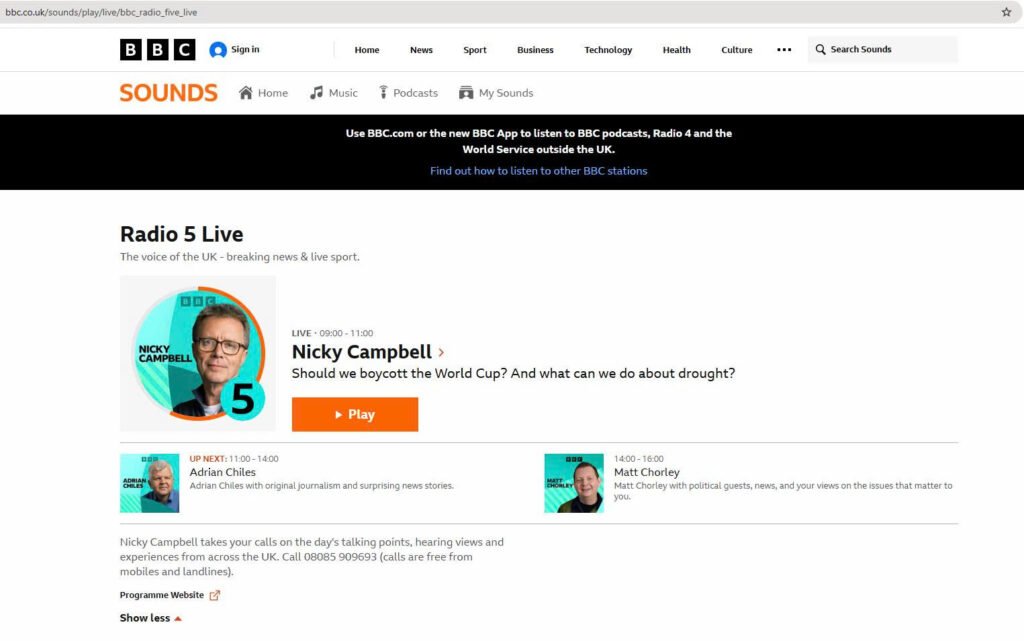
Audio track information and live metadata behavior
Beyond the layout of the webpage, the information displayed inside the player while a song is playing provides another clear test of authenticity.
When an official station plays a record, its broadcast system automatically sends digital text data – known as metadata – alongside the audio signal. On an official stream, the player displays the exact song title, artist name, and album art in real time, updating the moment a new track begins.
When an unofficial relay site steals an audio feed, this live data connection is usually broken during the re-transmission process. As a result, the player display on a relay site often remains completely blank, shows a static label like “Radio Stream,” or displays a song title that played twenty minutes ago. If the text on your screen does not match the music coming out of your speakers, the audio is being routed through an unofficial third party.
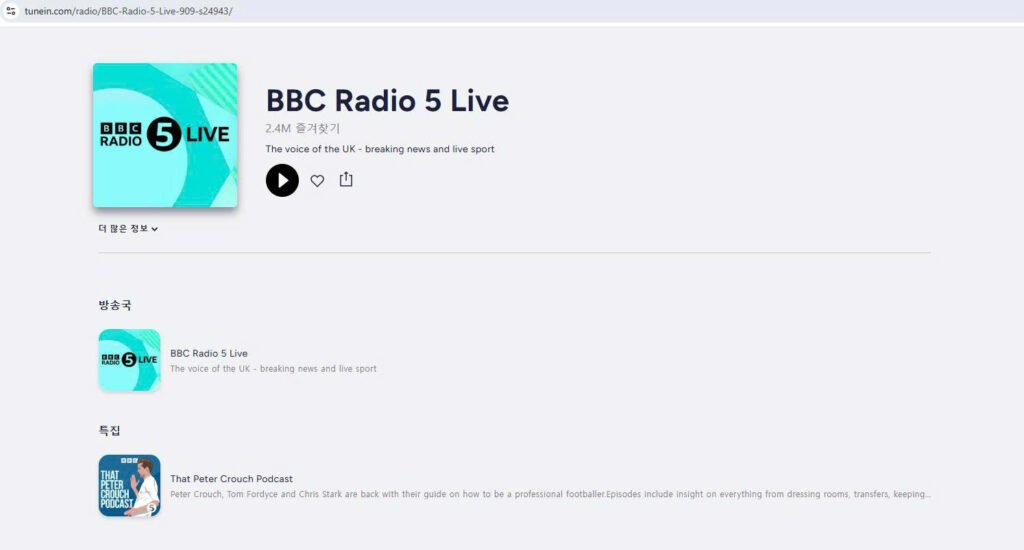
Broadcast delays and emergency safety risks
Listening to radio coverage through an unofficial relay site is not just inconvenient; it can also affect the timeliness and safety of the information you receive.
The hidden 3-minute broadcast delay
Because an unofficial relay site must grab the audio from the original station, process it through its own middleman server, and re-transmit it to your browser, it creates a significant audio delay (buffer lag).
An official station stream plays nearly in real time, lagging behind a physical FM radio by only a few seconds. An unofficial relay feed often lags behind the live broadcast by two to five full minutes. While a few minutes of delay might not matter when listening to background music, it completely ruins the experience when listening to live sports commentary or breaking news events.
Missing emergency broadcast alerts
During local weather emergencies, severe storms, or public safety crises, official radio stations are legally required to interrupt their regular music programming to broadcast official Emergency Alert System (EAS) warning tones and safety instructions.
Unofficial relay sites frequently fail during these critical moments. Because their automated scraping software is only designed to process standard music streams, encountering raw emergency alert tones often causes the relay player to glitch, drop the connection, or go completely silent. Relying on an unofficial relay site during a severe storm means you could miss vital, life-saving public safety warnings issued by local authorities.
Frequently asked questions
Is it illegal for me to listen to a radio station through an unofficial relay website?
No, as a listener, you are not breaking the law by simply playing audio on a website. The legal responsibility falls on the relay site operator who is re-broadcasting copyrighted audio without paying licensing fees. However, using these sites exposes your browser to intrusive, potentially malicious advertising networks.
Why do third-party mobile radio directory apps sometimes use relay links?
Free radio aggregator apps compile thousands of global stations. When an official station changes its server address or blocks external app access, directory developers sometimes substitute working unofficial relay links to keep the channel active in their app catalog without manually updating official API agreements.
What should I do if the official radio station stream is geo-blocked in my country?
Official stations sometimes restrict online listening to local residents due to music licensing agreements. Instead of using sketchy relay sites, check if the station offers an official international player app, or listen through verified, licensed global platforms like TuneIn or iHeartRadio that hold official distribution contracts.


